
 Consumer groups have been battling with regulators for consistent labeling for almost two decades, and yet current labeling has been largely defined by lawsuits, instead of regulatory guidelines. In the case of "all natural", the F.D.A. has intentionally left the phrase completely undefined for the benefit of its corporate partners. In 1993, the F.D.A. did not recommend any definition of the term in its Nutrition Labeling and Education Act, "because of resource limitations and other agency priorities". The Food and Drug Administration's thousands of employees were too busy to type the word "natural" during the year leading up to the Bill's passage. They were so hard-working.
Geraldine June from the F.D.A. spoke with the Food Navigator web site, and admitted that they are aware of the many misleading "all natural" labels out there. However, that supposedly did not merit an F.D.A. response.
"Even if people interpret it in different ways, it doesn't mean there is confusion out there. If there was, then we would definitely raise it as a priority".
-- Geraldine June, F.D.A. Food Labeling and Standards Department
A Typical "All Natural" Example
The non-profit Center for Science in the Public Interest (C.S.P.I.) threatened to sue 7-Up in 2006 after their advertising claimed that their soft drink was "all natural", whilst leaving high fructose corn syrup (H.F.C.S.) in the ingredients (made with sulfuric acid amongst other things). High fructose corn syrup may have once started as corn, but it is not something that is produced naturally or simply, and the result is not even chemically similar to its predecessor. As a result of the potential lawsuit, 7-Up changed its labeling to read, "100% natural flavors" (not ingredients). Of course, this was just another lie, because the high fructose corn syrup is a sweetener, and sweetness is a flavor.
"High fructose corn syrup isn't something you could cook up from a bushel of corn in your kitchen, unless you happen to be equipped with centrifuges, hydroclones, ion-exchange columns, and buckets of enzymes."
-- Michael Jacobson, C.S.P.I. Executive Director
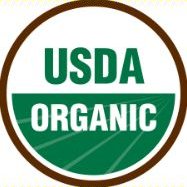
It is relatively well known amongst the health conscious that the phrase "all natural" has no real meaning on packaging. Although, most of us believe that the term "organic" is clearly defined. When looking at a product which holds a "USDA-certified Organic" label, most people have no idea that it may not be 100% organic.
What Do the Organic Labels Really Mean?
- 100% Organic: This is what you should be purchasing, but this label is rarely seen. This product contains all organic ingredients. By law, no synthetic ingredients are allowed. Additionally, the production process must meet federal organic standards and must have been independently verified by accredited inspectors. This is the gold standard of wholesome and healthy food. Foods under this category may bear the U.S.D.A. Organic label.
- Organic: This is where it gets deceptive. Ninety-Five percent of the ingredients need to be organically produced. The remainder can be non-organic or synthetic ingredients. Foods under this category may also bear the U.S.D.A. Organic label. While 95% organic may sound good enough, be advised that these foods could contain 5% toxic chemical ingredients.
- Made with Organic Ingredients: Products in this category contain at least 70 percent organic ingredients. They are not allowed to bear the U.S.D.A. seal, but this marketing phrase is used. Consider the damage that could be caused by 30% synthetic ingredients. This ratio is normal for processed foods, which means that practically anything could bear this label.
The deceptions of modern labeling are not accidental. An informed consumer is dangerous to the chemical industry. For instance, if ingredients lists replaced "gelatin" with "de-haired pig skins and flesh remnants melted in acid bath", then what would happen to the sales of Jello and gummy bears? Always read food ingredients carefully, despite any marketing or special industry seals which appear on the packages. Study the chemicals that you and your family consume, and make the decision to become healthy in spite of their efforts. Remember that remaining healthy is much cheaper than health insurance, and it is long past the time to stop rewarding the people who are poisoning us.
Related Articles
Why You Should Avoid All HONcode Certified Websites
The F.D.A.'s Push For Radioactive ("Irradiated") Foods
How Monsanto Prevents Companies From Being Honest About rBGH Milk